Energy Storage in the HVDC Era: Far East Battery Explores New Opportunities for AIDC
Categories:Date:2026-09-11
The rapid development of AI is reshaping data center infrastructure. As AI workloads become increasingly power-intensive and computing density continues to rise, energy systems are facing new challenges in efficiency, responsiveness, reliability and renewable energy integration.
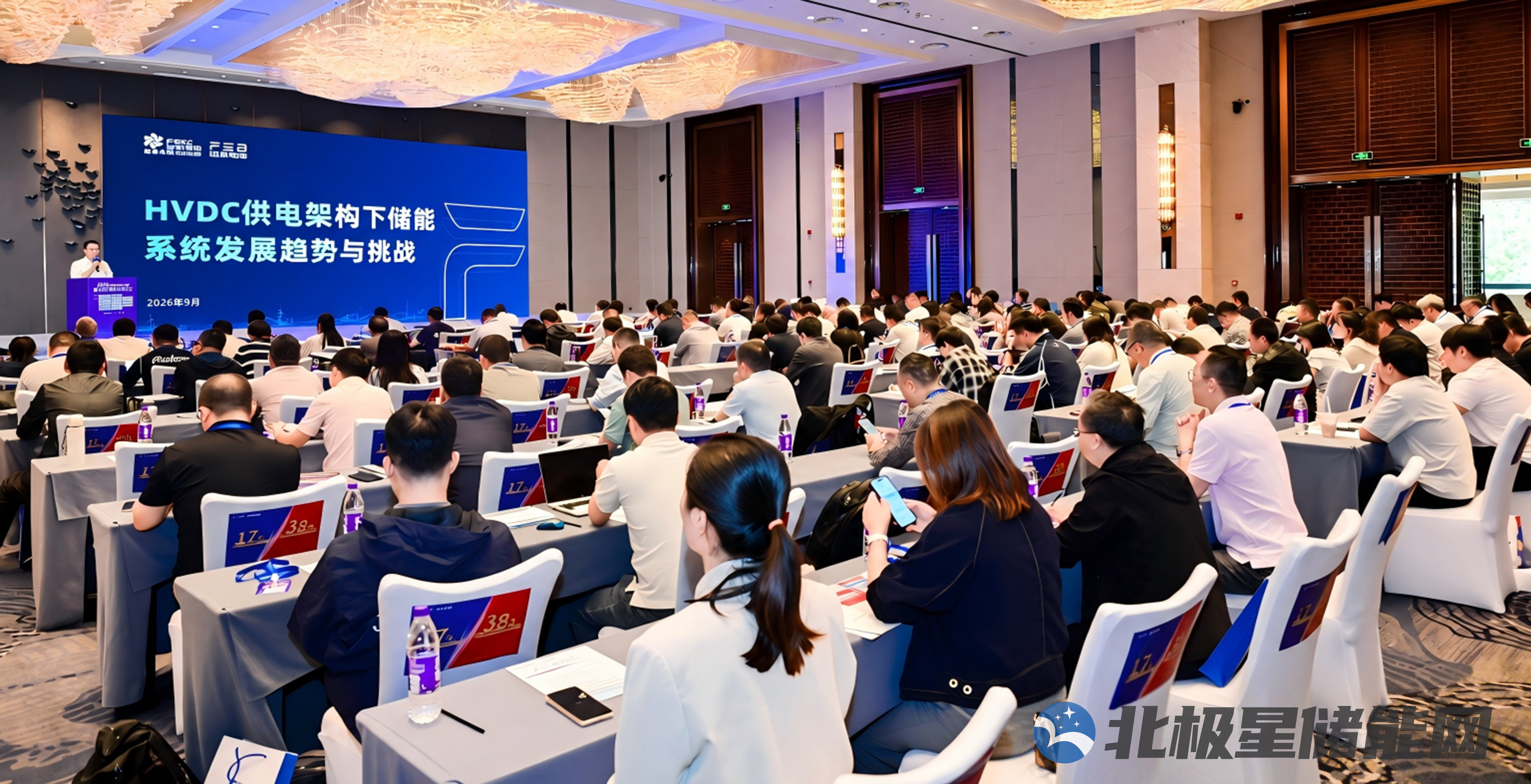
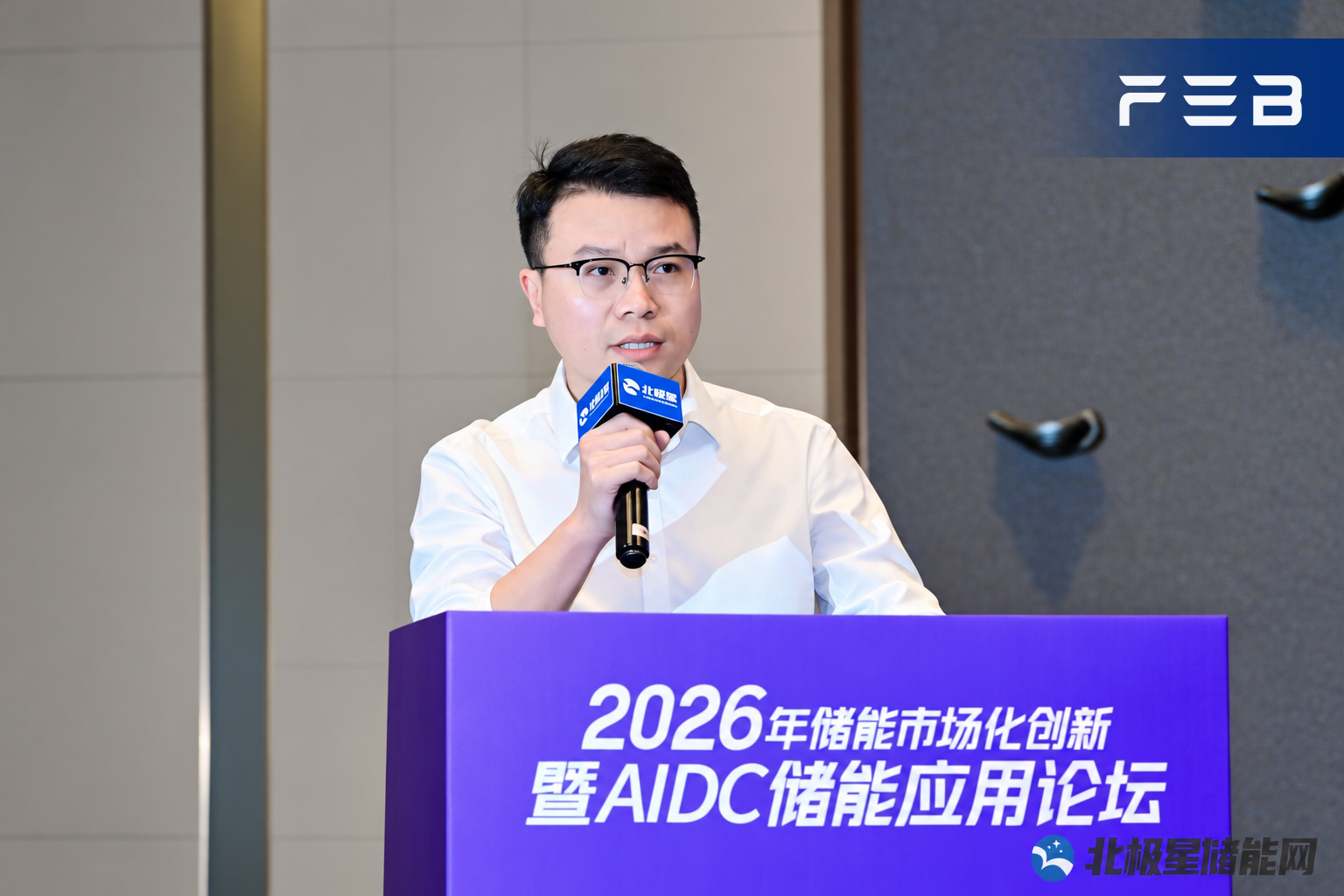
At the 2026 Energy Storage Market Innovation & AIDC Energy Storage Forum, Far East Battery shared its perspectives on the evolving role of energy storage under High-Voltage Direct Current (HVDC) power architectures.
From Higher Computing Density to New Energy Demands
AI data centers are moving toward higher power density and more dynamic workloads. This places greater demands on power supply efficiency, response speed and system reliability.
At the same time, the growing integration of renewable energy adds another layer of complexity. Variable renewable generation needs to be better coordinated with the stable, 24/7 power demand of data centers.
These changes are also driving the evolution of data center power architectures. HVDC and energy storage are attracting increasing attention as potential solutions for high-density computing environments. By reducing certain power conversion stages compared with traditional AC architectures, HVDC offers a potential pathway to improve power efficiency while creating more opportunities for energy storage to become part of the data center energy system.
Energy Storage Beyond Backup
For AIDC applications, energy storage is no longer simply about adding capacity for peak shaving or backup power.
AI workloads can involve high power levels and rapid changes in demand, requiring storage systems with fast response capabilities, high-rate performance and effective thermal management.
In green power applications, storage can also help coordinate renewable generation with data center demand by managing power fluctuations, providing power support and maintaining backup capability.
As storage becomes more closely connected with the grid, grid-forming capabilities are also gaining importance. Energy storage systems need to provide support during voltage, frequency and power fluctuations while coordinating effectively with other energy assets.
From Cell to System
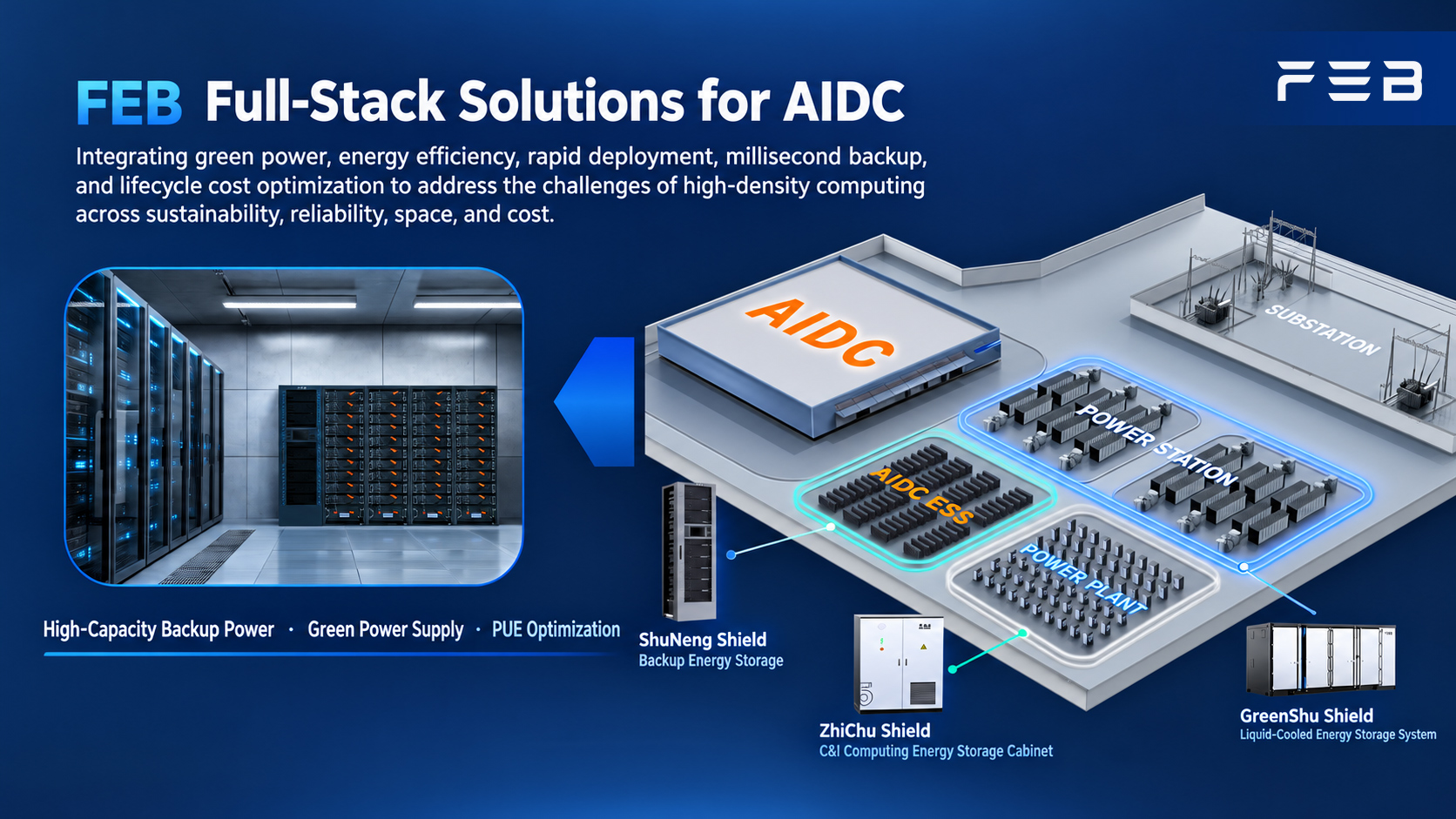
To address these evolving requirements, Far East Battery is developing capabilities across the energy storage value chain, spanning cells, BMS, PCS and system-level control.
At the system level, Far East Battery focuses on high-rate performance, long service life and safety. High-performance cells and intelligent BMS help improve the system's ability to respond to rapidly changing loads, while grid-forming PCS and control strategies enhance support for voltage, frequency and power fluctuations.
For renewable energy applications, Far East Battery is also exploring closer coordination among generation, load and storage. By combining energy storage with energy management and intelligent dispatch, storage can play a more active role in balancing renewable generation with data center demand.
From Energy Storage to Computing Energy
As AI infrastructure moves toward higher density and lower-carbon operation, the role of energy storage is evolving.
Storage is no longer limited to energy storage and backup. It can also contribute to renewable energy integration, power regulation and system support, creating closer connections among computing loads, energy storage, renewable generation and the grid.
For Far East Battery, the next step is to explore how energy storage can become more deeply integrated with data center power architectures through HVDC, grid-forming technologies and intelligent energy management.
The goal is clear: to develop reliable energy solutions that can keep pace with the rapidly evolving demands of AI infrastructure.
Far East Battery — Powering Energy Innovation for the AI Era.